



Trust Starts With Clear Answers (Not Assumptions)
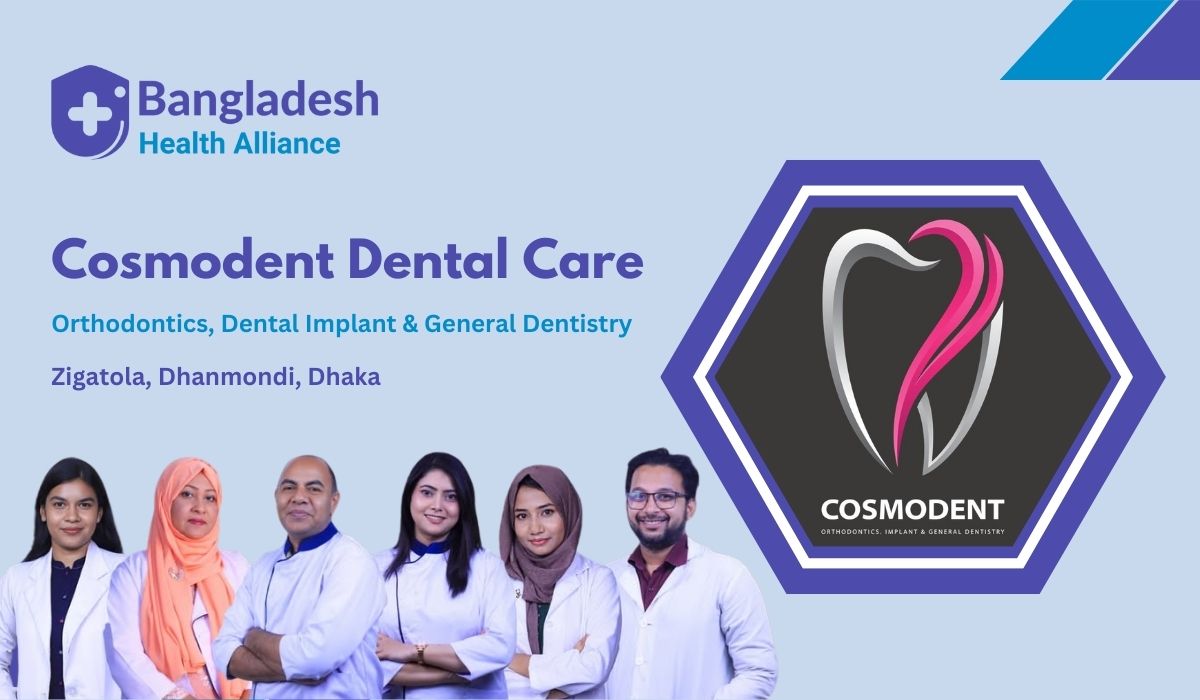
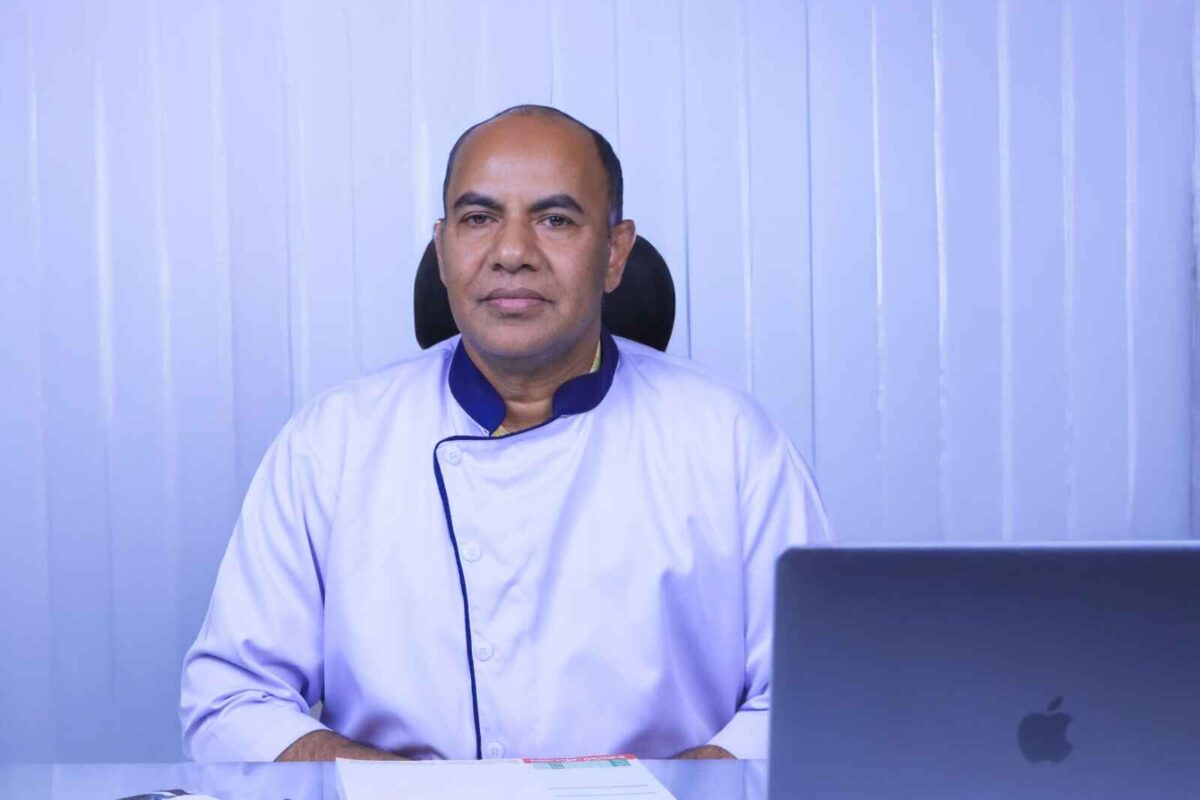
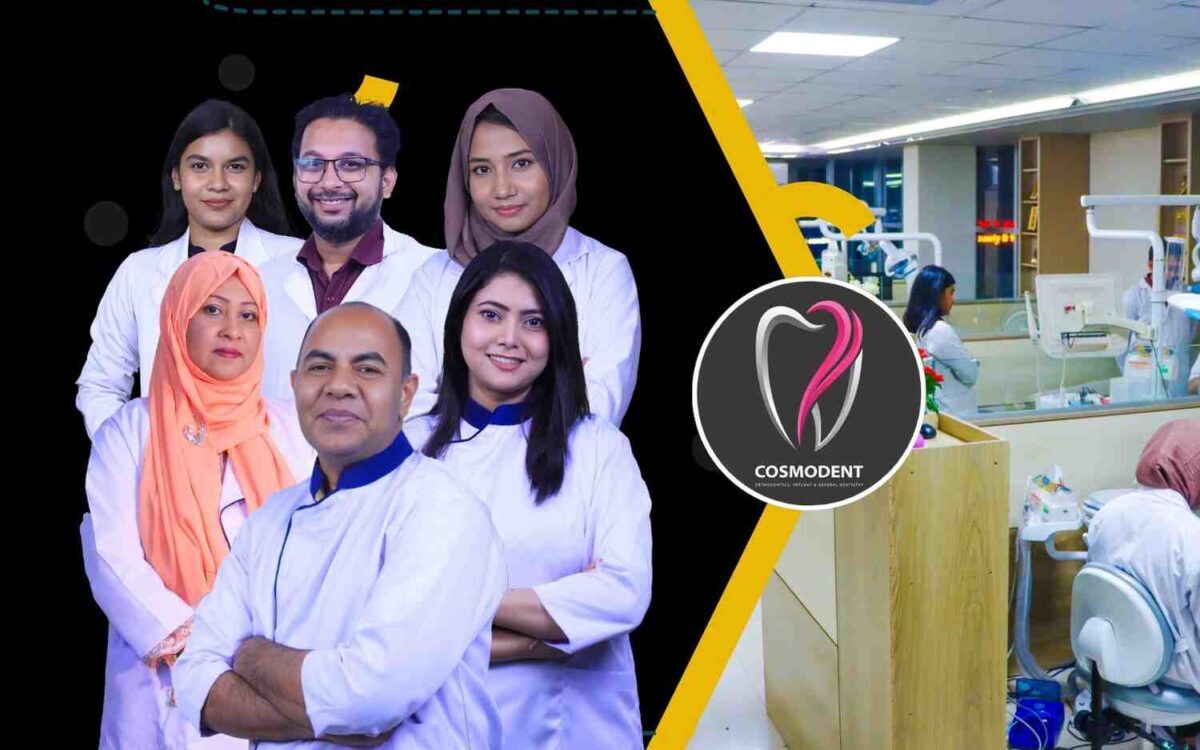
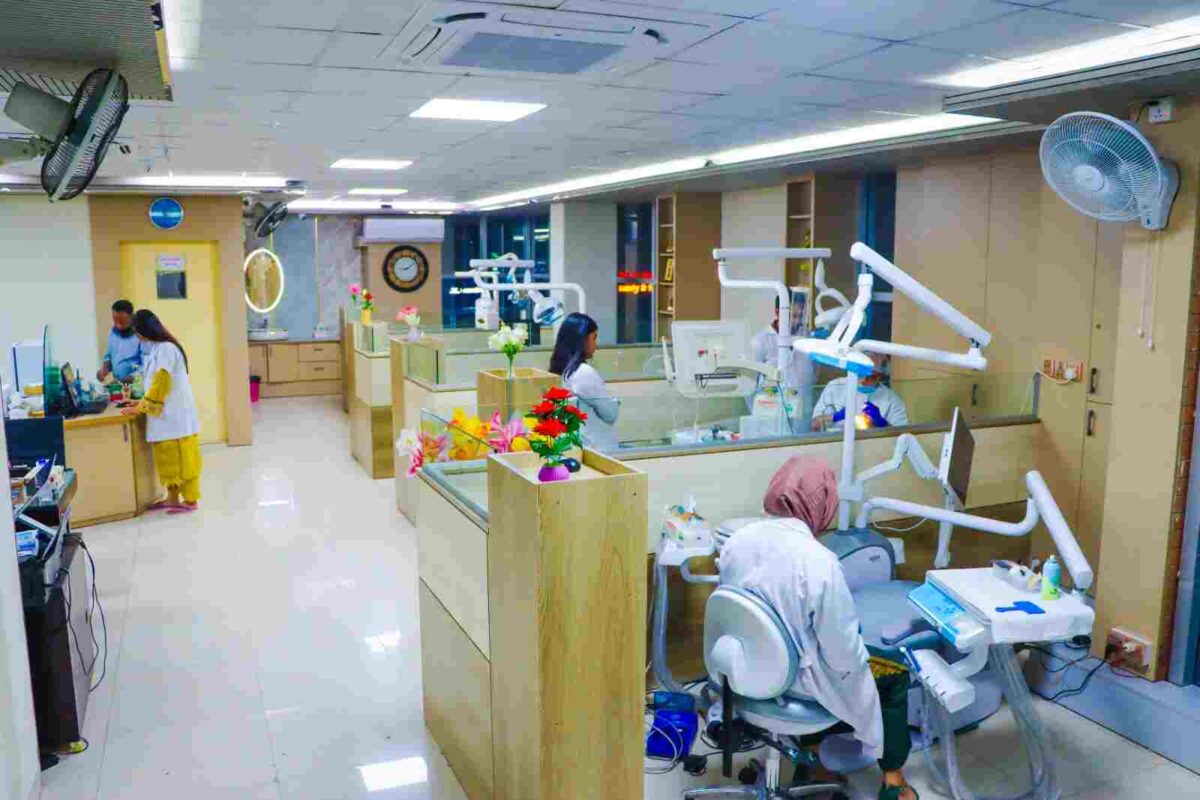
Many patients search for a dental clinic when they are already stressed—severe toothache, swelling, broken teeth, bleeding gums, or sensitivity that won’t stop. A trustworthy visit usually includes clear listening, a proper exam, and simple explanations of options. At Cosmodent Dental Care (Zigatola, Dhanmondi area), you can share your main concern by call or WhatsApp before visiting so the team can guide you on the safest next step and what to bring.
What patients typically value most
- Transparent guidance: what can be done today vs. what needs planned visits
- Exam‑first decision making: treatment is confirmed after clinical assessment
- Respect for anxious patients: procedures explained step‑by‑step in simple language
- Option‑based planning: budget and timeline discussed with practical alternatives
- Follow‑up clarity: aftercare steps and warning signs explained before you leave
Important: Pain location doesn’t always match the real source. A clinical exam (and sometimes X‑ray) helps identify the correct tooth/area and reduces the risk of unnecessary procedures.