

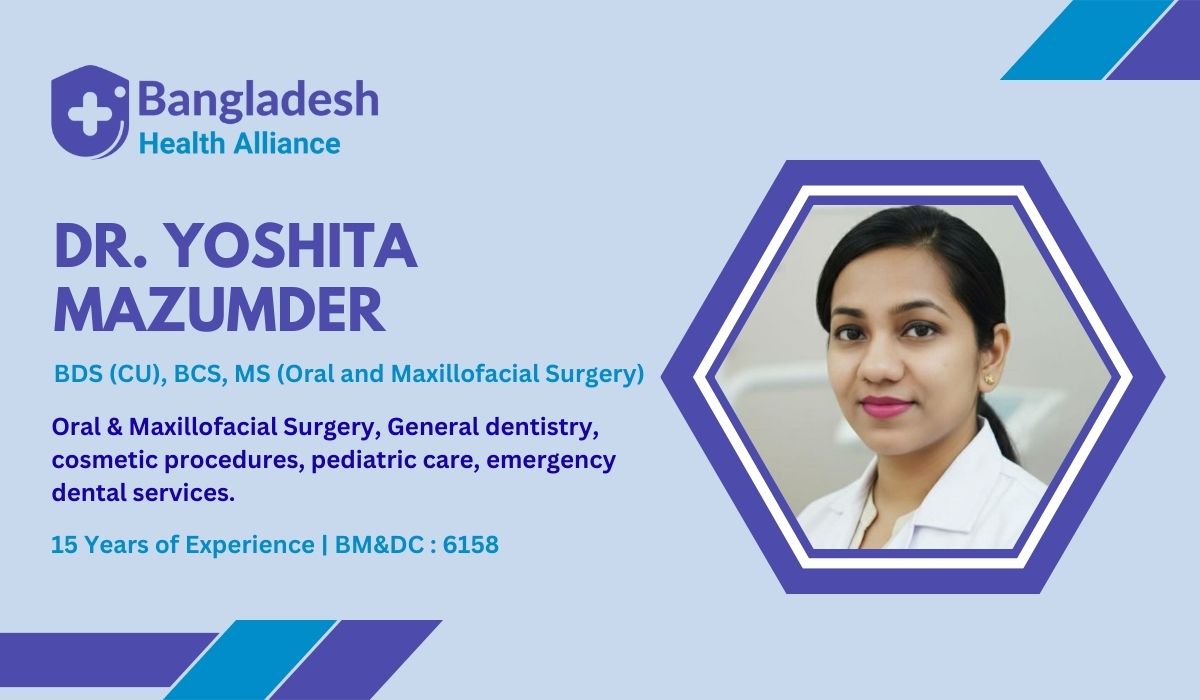
Dr. Yoshita Mazumder — Dental Surgeon in Dhaka | Oral & Maxillofacial Surgery
Evening Chamber in Malibagh | Online Consultation Available
If you’re searching for a reliable dental surgeon in Dhaka—especially for wisdom tooth (impacted) pain, facial swelling from dental infection, jaw pain, oral lumps/cysts, or oral & maxillofacial surgery guidance—Dr. Yoshita Mazumder offers care that is safety-first, calm, and clearly explained.
She is a BM&DC-registered Dental Surgeon (Reg. No: 6158) with 15 years of clinical experience, currently serving at Mugda Medical College & Hospital and consulting privately at MaxFace Dental Care, Malibagh. Her evening chamber (4 PM–10 PM) is especially helpful for working patients, students, and families.
BHA patient-first note: Many people in Dhaka start with “small pain,” take painkillers, and wait—then suddenly it becomes swelling, fever, or a sleepless night. This profile helps you understand when to book, what to expect, and how to get the right care early.
Quick appointment & chamber details (Malibagh, Dhaka)
Clinic: MaxFace Dental Care
Address: 411/B, Malibagh Chowdhury Para Road, Dhaka
Visiting Hours: 4:00 PM – 10:00 PM (Friday Closed)
Appointment / WhatsApp: 01344473973
Consultation Fee: ৳1000 (fees may vary by case/procedure)
Online Consultation: Yes
Email: info@maxfacedentalbd.com
BHA booking tip: Call or WhatsApp before visiting. Schedules can change due to hospital duty, emergency cases, or procedure timing.
Best time to message: If possible, message during daytime so the chamber team can confirm your nearest available evening slot.
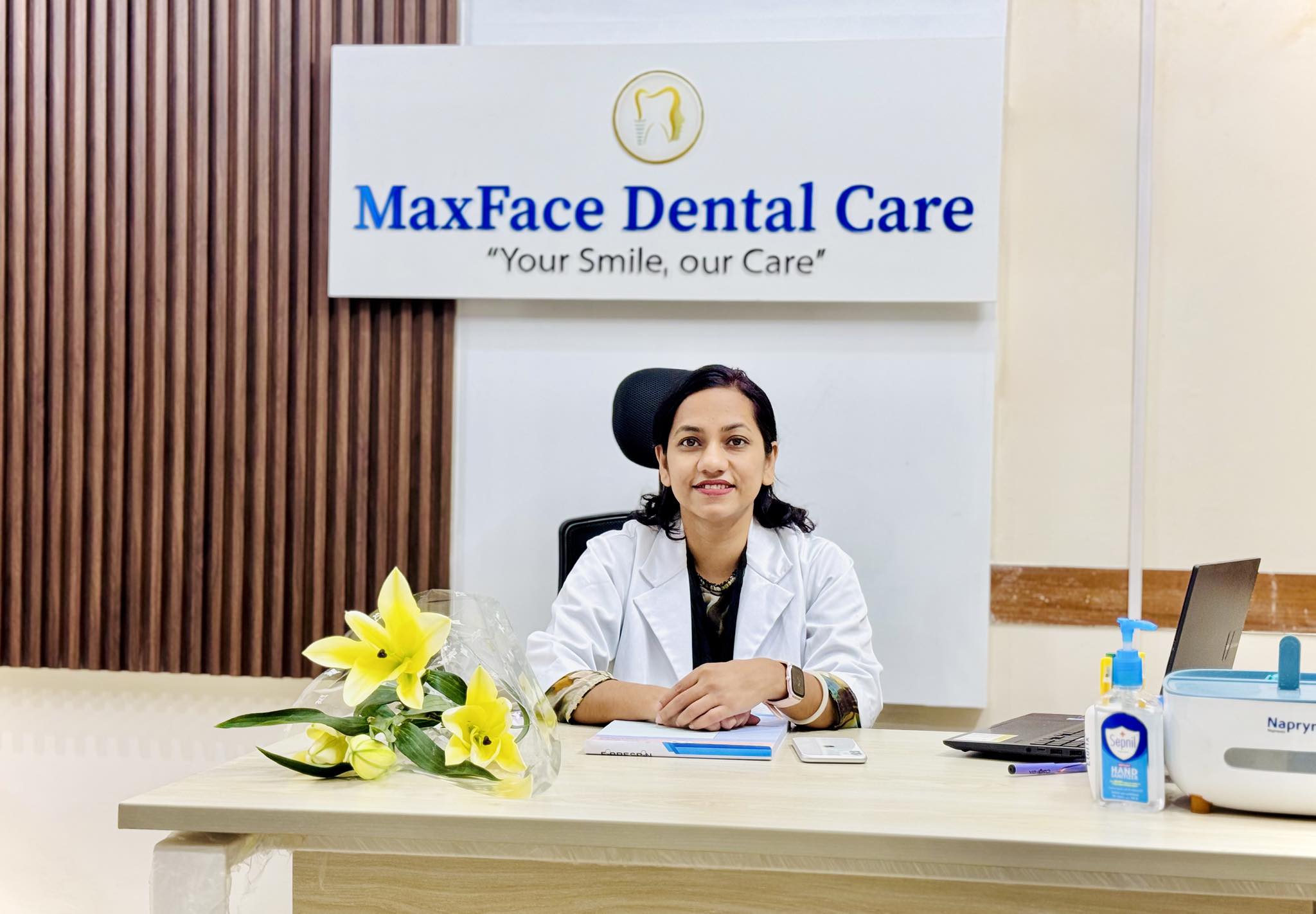
About Dr. Yoshita Mazumder (experience + credentials)
Dr. Yoshita Mazumder represents a balance many patients trust: structured hospital practice + compassionate private consultation.
Professional background (as listed):
- BDS (CU)
- BCS (Health)
- MS (Oral & Maxillofacial Surgery, BSMMU)
- Current service: Dental Surgeon, Mugda Medical College & Hospital
- Clinical experience: 15 years
- BM&DC Registration: 6158 (provided)
- Gender: Female
Comfort & privacy: Many female patients and families feel more comfortable with a female dental surgeon—especially for longer consultations, detailed explanations, and careful examination.
BHA communication standard (what patients usually appreciate)
Dental pain makes people anxious—especially children and older adults. A good consultation usually includes:
- Clear explanation in simple language (no confusing jargon)
- A step-by-step plan (what happens today vs later)
- Honest discussion about risks, recovery time, and aftercare
- Upfront guidance on cost and treatment stages
Who should see a dental surgeon (and when)
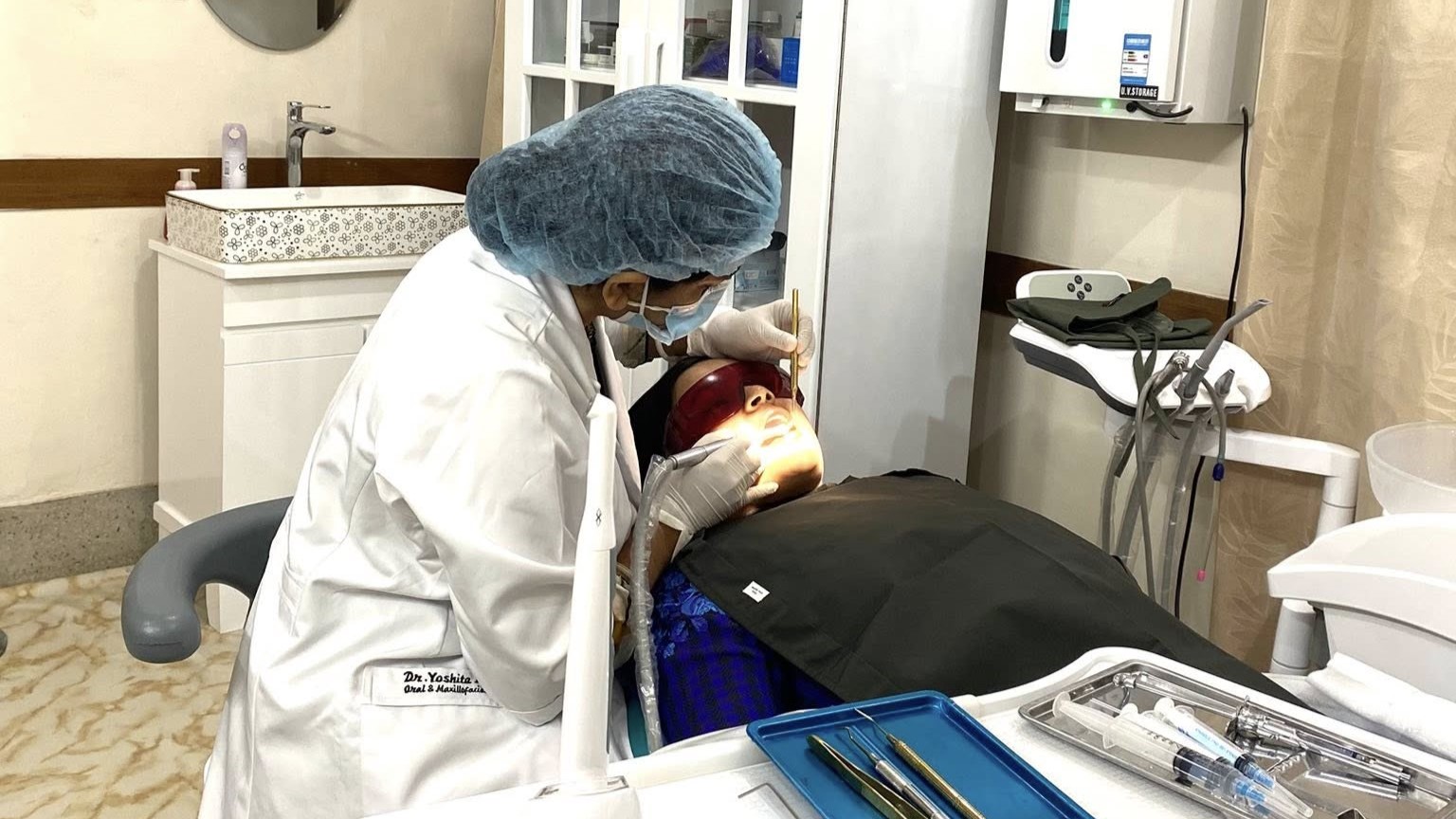
A common question is: “Should I see a dentist or a dental surgeon?” In Bangladesh, dental surgeons often handle both routine dental care and minor surgical procedures, while oral & maxillofacial surgery expertise is especially important for swelling, jaw/face pain, and complex tooth removal.
Consider booking with Dr. Yoshita Mazumder if you have:
- Wisdom tooth (akal দাঁত) pain that keeps returning
- Gum or facial swelling with toothache
- Pain while opening the mouth or chewing
- Mouth ulcers that do not heal within 2 weeks
- Jaw clicking/locking or ongoing jaw pain
- A lump in the mouth, jaw, or facial area
- Broken tooth with sharp pain or sensitivity
- Children’s toothache that affects sleep/eating
BHA reminder: If pain repeats, the problem is usually still there. Early care often means simpler treatment and fewer complications.
What “Oral & Maxillofacial Surgery” means (everyday explanation)
Oral & maxillofacial surgery (OMFS) deals with conditions involving the teeth, gums, jaw, face, and oral tissues—especially when a case needs surgical decision-making and structured aftercare.
You may need OMFS-focused care for:
- Wisdom tooth impaction or repeated gum infection around it
- Facial swelling due to tooth infection (abscess)
- Jaw pain, clicking, or limited mouth opening
- Oral lumps/cysts or suspicious mouth sores
- Trauma involving teeth/jaw (case-by-case evaluation/referral)
- Complex surgical planning in the mouth or jaw area
Why advanced OMFS training matters (patient safety view)
Advanced OMFS training typically strengthens:
- Safer surgical choices (what to remove vs preserve)
- Better infection control and complication prevention
- Smarter use of imaging (when X-ray/OPG is needed)
- Clear aftercare and follow-up planning
Why patients choose Dr. Yoshita Mazumder
Patients usually look for safety, clarity, and convenience—especially when pain is involved. Her care is often chosen for:
- 15 years of hands-on experience
- Advanced OMFS training (MS)
- Government medical college hospital exposure (strong protocols + documentation)
- Calm explanation and patient-friendly communication
- Comfortable handling of anxious patients and children
- Evening chamber (4 PM–10 PM) for working people
- Online consultation support for guidance and follow-up
Location advantage (Malibagh)
Malibagh is convenient for many nearby areas like Moghbazar, Rampura, Shantinagar, Khilgaon, Badda, and Hatirjheel-side neighborhoods. Evening hours can help you avoid missing office time.
Services & areas of expertise
Treatment recommendations always depend on clinical findings. X-rays or further investigations may be advised when necessary.
1) Oral & maxillofacial surgery-focused care
- Impacted wisdom tooth assessment and surgical planning
- Dental infection and facial swelling evaluation
- Jaw and facial pain assessment of dental origin
- Complex oral condition planning
- Oral lesion assessment (and referral guidance when needed)
2) General dentistry
- Dental check-up and diagnosis
- Tooth decay (cavity) management
- Gum care guidance (bleeding gums, swelling, bad breath)
- Sensitivity and routine dental pain treatment
- Prevention plan (brushing, diet, habits)
3) Pediatric dental care
- Child dental check-up and cavity prevention planning
- Gentle handling of anxious children
- Parent counseling on brushing, diet, and habits
- Guidance on thumb sucking / bottle-feeding habits (when relevant)
4) Cosmetic dentistry (consultation-based)
BHA cosmetic safety note: Cosmetic results are best when teeth and gums are healthy first.
- Smile improvement consultation
- Whitening guidance
- Aesthetic planning where appropriate
5) Evening emergency dental support (triage + guidance)
- Severe toothache
- Facial swelling from dental infection
- Broken/damaged tooth
- Urgent gum problems
Important: “Emergency support” means you can get prompt assessment in the evening, but serious red-flag emergencies (fever + rapidly spreading swelling, breathing issues) should go to an emergency hospital setting immediately.
Common conditions treated (when to book)
Patients commonly book for:
- Toothache, sensitivity, pain on chewing
- Cavities, chipped or broken teeth
- Gum bleeding, swelling, bad breath
- Dental abscess and swelling
- Wisdom tooth pain or suspected impaction
- Jaw discomfort, clicking, limited opening
- Children’s dental pain and early cavities
- Cosmetic concerns (tooth color/shape)
“I have pain but no swelling”—should I still come?
Yes. Pain without swelling can still mean:
- A deep cavity close to the nerve
- A crack/fracture in the tooth
- Gum infection
- Early abscess formation
BHA tip: Early treatment often prevents bigger cost and more complicated procedures later.
Is your dental problem an emergency?
Please treat it as urgent if you have:
- Rapidly increasing facial swelling
- Fever with tooth pain/swelling
- Difficulty opening the mouth, swallowing, or breathing
- Uncontrolled bleeding
- Facial or jaw trauma
Red flags where you should NOT wait for an evening slot
Go to the nearest hospital emergency service urgently if you have:
- Trouble breathing or swallowing
- Very fast-growing swelling (especially under the jaw/neck)
- Severe weakness, dizziness, or confusion
- Uncontrolled bleeding after an extraction
What to expect at MaxFace Dental Care (step-by-step)
Many people delay visits due to fear. Knowing the steps helps you feel more in control.
Step 1: Booking (quick and efficient)
Call/WhatsApp: 01344473973
For faster booking, send:
- Name + age
- Main problem (pain/swelling/broken tooth/wisdom tooth)
- Duration (how many days)
- Key medical issues (diabetes, pregnancy, blood thinners, allergy)
BHA triage tip: If you have swelling, mention whether you have fever and whether you can open your mouth normally.
Step 2: First consultation (assessment + explanation)
Typical first visit includes:
- Medical and dental history
- Oral and jaw examination
- Review of reports (if any)
- Clear explanation of diagnosis and priorities
Questions you can ask (and should ask):
- “Is this urgent?”
- “Do I need a procedure today?”
- “What happens if I delay?”
- “How many days will recovery take?”
Step 3: Investigation (only when needed)
Depending on symptoms, the doctor may advise:
- Dental X-ray (periapical/OPG)
- Other targeted investigations (case-by-case)
Why X-rays are recommended sometimes: They help confirm impaction position, infection spread, bone level, and root-related problems—so treatment becomes safer and more accurate.
Step 4: Treatment planning (options + transparency)
You should expect a calm discussion about:
- What’s urgent vs what can wait
- Recommended treatment steps
- Practical alternatives (when appropriate)
- Expected recovery and aftercare
- Estimated cost range (procedure-dependent)
Step 5: Treatment + follow-up
- Stepwise treatment when needed
- Aftercare instructions (clear and practical)
- Follow-up advice if required
If you’re anxious: Tell the doctor at the start. Many patients feel better when procedures are explained in small steps, with breaks when needed.
Wisdom tooth (Akal দাঁত) pain: when removal becomes necessary
A wisdom tooth may need surgical removal when it is:
- Impacted (stuck) and causing repeated pain/swelling
- Creating food trapping and infection around the gum flap
- Damaging the neighboring molar
- Causing recurrent abscess or facial swelling
What recovery usually involves (general guidance)
Recovery depends on the complexity of the impaction. Your surgeon will guide you on:
- Pain control and safe medicines
- Eating soft foods
- Gentle oral hygiene steps during healing
- When to return for review
BHA healing tip: Avoid smoking and avoid hard spitting or using straws right after extraction (it can disturb healing).
Online consultation (who it’s good for)
Online consultation is very useful for busy patients and families.
Best for:
- Follow-up advice after procedures
- Reviewing reports/photos
- Early guidance for pain, sensitivity, child dental issues
- Deciding if an in-person visit is urgent
Not suitable for:
- Severe swelling with fever
- Heavy bleeding
- Trauma
- Breathing/swallowing difficulty
How to prepare for an online consult
- Send clear photos (good light) of the tooth/gum area
- Share X-ray/report images if you have them
- Provide current medicines and allergies
- Mention diabetes, pregnancy, blood thinners, or heart disease if relevant
Photo tip: Stand near a window/light, use flash, and send two angles—one close-up and one wider view showing the whole jaw side.
Practical oral health advice (Bangladesh-friendly)
Daily care
- Brush twice daily with fluoride toothpaste
- Brush gently along the gumline
- Clean between teeth when possible (floss/interdental brush)
- Rinse with plain water after sweets or tea
Diet habits
- Reduce frequent sugary snacks
- Avoid sipping sweet tea throughout the day
- Drink water after meals
- If you eat sweets, try to keep them near meal time instead of continuous snacking
Tobacco (smoked or smokeless)
Both forms increase oral health risks. For safer care planning, tell your dentist honestly about tobacco use so oral tissues can be checked properly.
Kids’ prevention tips (parents’ quick checklist)
- Start brushing as soon as the first tooth erupts (small smear of fluoride toothpaste)
- Avoid sleeping with milk/juice bottle
- Limit sticky snacks (chocolate, biscuits, chips) between meals
- If your child has repeated night-time tooth pain, book early—children’s cavities can progress quickly
Special precautions (common questions in Dhaka chambers)
These are general safety notes—your dentist will individualize advice.
Pregnancy
Dental care is often possible during pregnancy, and urgent problems (pain, swelling, infection) should not be delayed. Inform the doctor about pregnancy stage and medicines.
Diabetes
Diabetes can increase infection risk and slow healing. Share your diabetes history and recent control status if known.
Blood thinners (aspirin/warfarin/clopidogrel)
Many dental procedures are possible with planning. Do not stop blood thinners on your own. Bring your medicine list and any recent reports.
Allergies or past reactions
If you had reactions to antibiotics or local anesthesia, tell the doctor:
- Which medicine caused it (if known)
- What happened (rash, swelling, breathing trouble)
- How quickly it started
Cost & transparency
Consultation fee: ৳1000
Treatment costs depend on diagnosis and procedure. Patients are encouraged to request clear explanations and estimates before treatment.
BHA-friendly questions to ask:
- “What is the minimum treatment needed today?”
- “What is the full plan and approximate total cost?”
- “Can we do it in stages if budget is tight?”
Directions & contact (Malibagh, Dhaka)
MaxFace Dental Care
Address: 411/B, Malibagh Chowdhury Para Road, Dhaka
Hours: 4:00 PM – 10:00 PM (Friday Closed)
Appointment/WhatsApp: 01344473973
Google Maps: https://maps.app.goo.gl/GMQkpYhKD2a2DSdN8
Emergency help & booking
If you notice any emergency warning signs, don’t wait—seek urgent in-person care at the nearest hospital/emergency dental service.
Emergency red flags:
- Facial swelling with fever
- Difficulty swallowing or breathing
- Facial trauma with bleeding
- Rapidly increasing swelling or severe weakness
For appointments / online consultation:
- Doctor: Dr. Yoshita Mazumder (Dental Surgeon)
- Specialty: Oral & Maxillofacial Surgery • General Dentistry • Cosmetic Dentistry • Pediatric Dental Care • Emergency Dental Services
- Appointment / WhatsApp: 01344473973 (Online consultation: Yes)
- Visiting hours: 4:00 PM – 10:00 PM (Friday Closed)
- Consultation fee: ৳600
- Chamber: MaxFace Dental Care, Malibagh, Dhaka
- Address: 411/B, Malibagh Chowdhury Para Road, Dhaka, Bangladesh
- Google Maps | WhatsApp
Frequently Asked Questions
How do I book an appointment with Dr. Yoshita Mazumder?
Call or WhatsApp 01344473973 to book at MaxFace Dental Care. For faster booking, message: name, age, main problem (pain/swelling/broken tooth), how many days, and any key medical issue (diabetes, pregnancy, blood thinners, allergy).
Does Dr. Yoshita Mazumder provide online dental consultation?
Yes—online consultation is available. It’s useful for follow-up, report/photo review, pain triage, and guidance for children’s dental problems. If you have fever with swelling, heavy bleeding, facial trauma, or trouble swallowing/breathing, please seek urgent in-person care.
What are the visiting hours and consultation fee?
She consults at MaxFace Dental Care from 4:00 PM to 10:00 PM (Friday closed). The consultation fee is ৳600.
I have severe tooth pain at night—what should I do before coming?
Rinse gently with lukewarm salt water, keep the area clean, and avoid very hot/sweet foods. Don’t place painkillers directly on the tooth (it can burn gum tissue). Tooth pain can come from decay, infection, gum problems, or cracks—an exam is the safest next step.
When does a wisdom tooth need surgical removal?
A wisdom tooth may need surgical removal if it’s impacted (stuck), repeatedly infected, causing swelling, damaging nearby teeth, or causing severe recurring pain. Your dentist/oral surgeon confirms this with an exam and necessary imaging, then explains the safest option and recovery plan.
My face is swelling near a tooth—should I treat it as an emergency?
Yes. Facial swelling with tooth pain can indicate infection. It’s more urgent if you have fever, fast-growing swelling, difficulty opening the mouth, swallowing problems, or severe weakness. Early treatment reduces complications and often shortens recovery.
Can she treat children’s toothache and cavities?
Yes—pediatric dental care is included. If your child has pain, swelling, difficulty eating, or repeated night crying, don’t wait. For the visit, bring the child’s snack/drink routine, any prior dental slips/reports, and tell the clinic if the child has fear triggers (sound, injections).
What cosmetic dental procedures are safest for a quick smile improvement?
A safe “quick start” usually begins with a proper check-up + professional cleaning, then cosmetic options based on your teeth and gum condition. Cosmetic work on untreated cavities or gum disease can increase sensitivity and reduce long-term results—so a case-based plan is best.
I have jaw pain or clicking—do I need an oral & maxillofacial surgeon?
Not always, but you should get checked if it’s persistent, limits mouth opening, or comes with swelling/locking. Jaw symptoms can be linked to grinding, bite issues, joint/muscle strain, or dental infections—an evaluation helps identify the cause and right treatment path.
What should I do after a tooth extraction to heal faster?
Follow these basics:
- Bite firmly on gauze as advised and rest
- Avoid spitting or rinsing hard on day 1
- Don’t use straws or smoke (can disturb the clot)
- Eat soft foods and keep the mouth clean gently
If bleeding doesn’t stop, swelling increases, or pain suddenly worsens after a few days—contact the chamber.
I am pregnant—can I get dental treatment and X-rays?
Yes—dental care is often possible during pregnancy, and urgent problems (pain, swelling, infection) should not be delayed. For non-urgent procedures, many dentists prefer the second trimester when possible. X-rays are generally avoided unless needed, but if essential, clinics use protective shielding and keep exposure minimal. Always tell the dentist your pregnancy stage and any medicines you’re taking.
I have diabetes—what should I tell the dentist before extraction or surgery?
Tell your dentist you have diabetes, your recent control status (if you know), and all medicines. Diabetes can affect healing and infection risk, so the dentist may plan extra precautions and follow-up. If you use insulin or diabetes medicine, don’t change or skip doses without medical advice—carry snacks, and try to avoid coming on an empty stomach unless instructed.
I take blood thinners (aspirin/warfarin/clopidogrel)—is dental treatment safe?
Often yes, but it needs planning. Do not stop blood thinners on your own. Tell the dentist the exact medicine and dose. For procedures like extraction, your dentist may coordinate with your physician and use local bleeding-control measures. If you have a recent INR report (for warfarin), bring it.
I have high blood pressure or heart disease—what precautions are needed?
Share your heart history (stent, valve disease, heart attack, pacemaker), current medicines, and your usual blood pressure. The clinic may check BP before treatment and adjust the plan if it’s high. Some specific heart conditions may require special precautions, so clear disclosure helps ensure safe anesthesia and aftercare.
I have kidney disease or liver disease—does dental treatment change?
It can. These conditions may affect medicine choice and dosing (including painkillers and antibiotics). Tell your dentist your diagnosis, stage (if known), and current medicines. Bring recent reports if you have them, especially if you’re on dialysis or long-term medications.
I am breastfeeding—can I receive dental treatment and medicines?
Most routine dental treatments are compatible with breastfeeding, but medicine choices matter. Tell your dentist you are breastfeeding so they can select breastfeeding-friendly options and give clear timing instructions if any medicine requires caution.
I have allergies (antibiotics/local anesthesia)—what should I do?
Tell your dentist exactly what caused the reaction (rash, swelling, breathing trouble, fainting) and what medicine you took. If you have a photo, prescription, or discharge note from a past reaction, bring it. The dentist will choose safer alternatives and plan your care accordingly.
Patient safety notice
This profile is for general information and appointment guidance. If you experience severe swelling, fever, uncontrolled bleeding, facial trauma, or difficulty breathing/swallowing, seek urgent in-person medical care.
Ready to book? Message “Appointment: Dr. Yoshita Mazumder, Malibagh, 4–10 PM” to 01344473973 on WhatsApp with your name, problem, and how many days you’ve had it.